Archive as Practice
A situated engagement with endangered archives in Hebron
My engagement with archives emerges from direct, long-term involvement with endangered photographic and family collections in Hebron. The archive appears here as a fragile field shaped by displacement, interruption, and accumulated silence. Working within this condition, I approach archival practice as an act of keeping presence available holding images, documents, and traces in a state where they remain readable within their place, their city, and their lived histories.
My archival practice is grounded in proximity rather than distance. I work from within the archive as a lived environment, shaped by family histories, urban transformations, and ongoing political pressure. This position allows the archive to retain its density as social memory, rather than becoming an abstract historical record. The focus remains on continuity: how images, papers, and objects carry time forward rather than fixing it in the past.
Archival Position
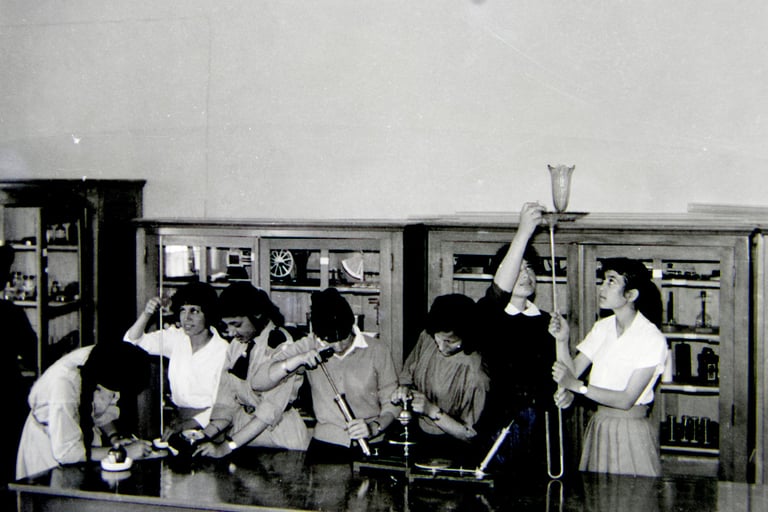
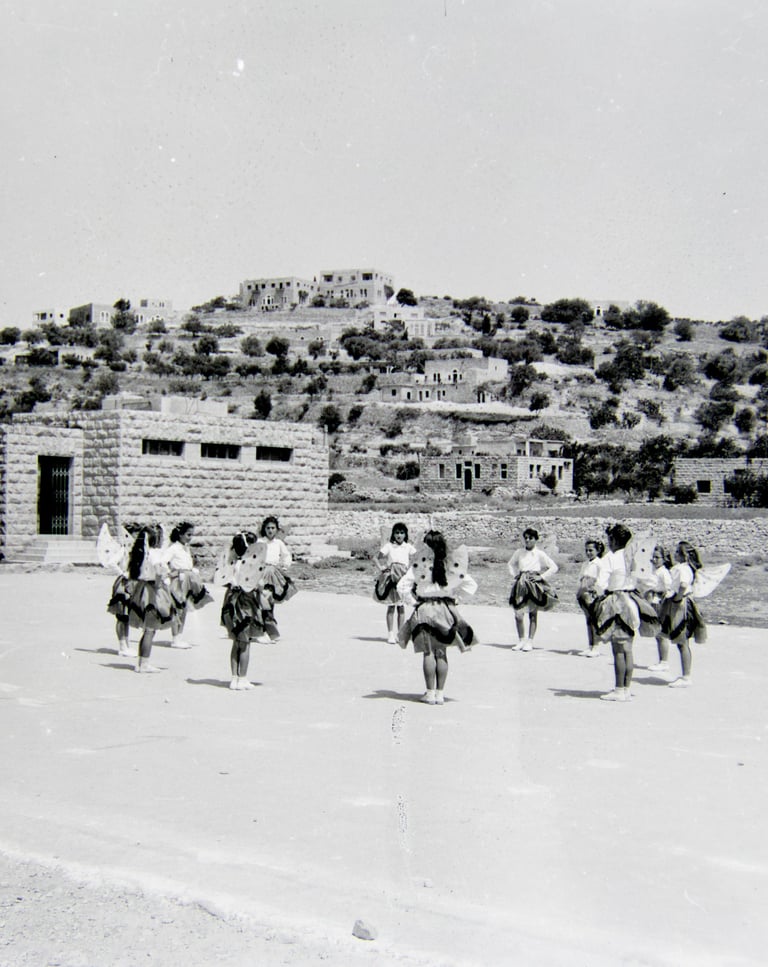
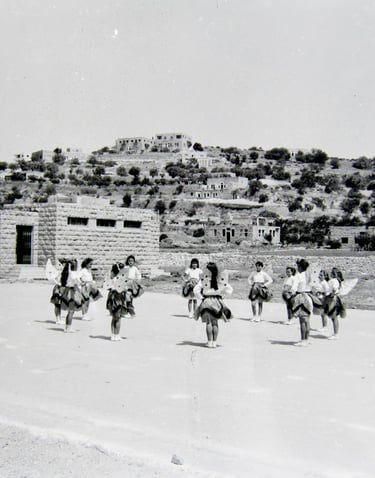
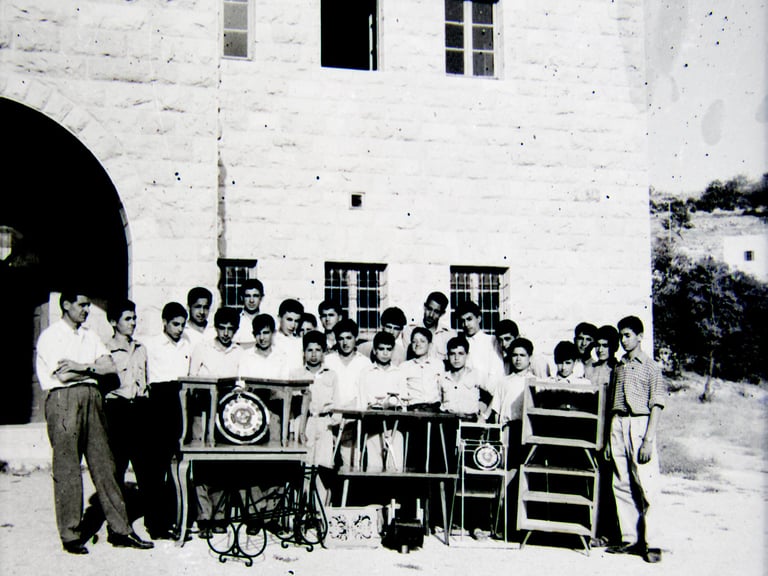
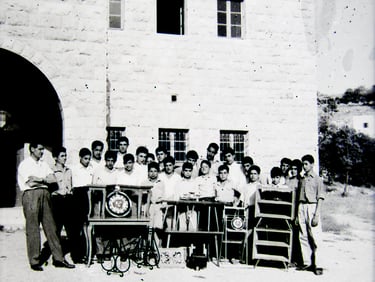
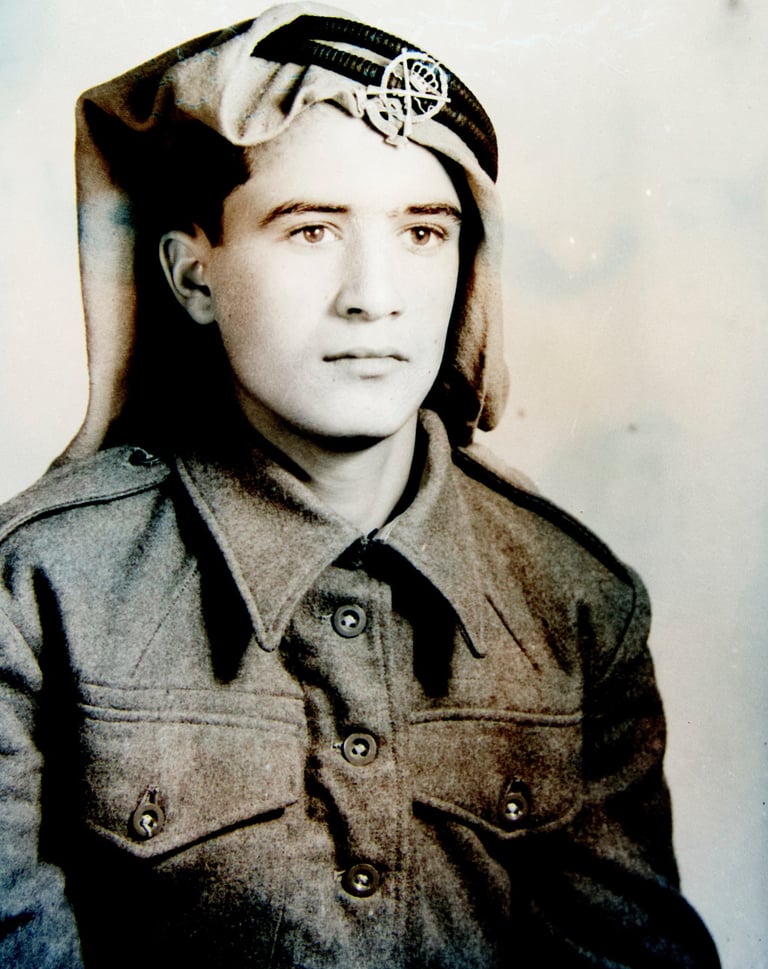
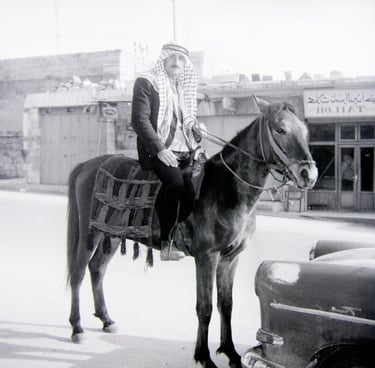
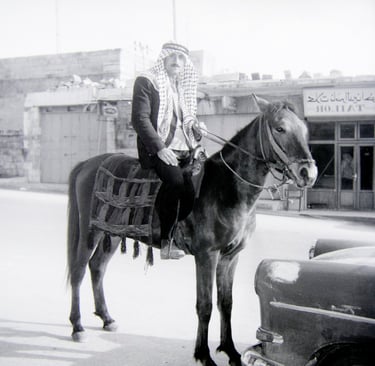
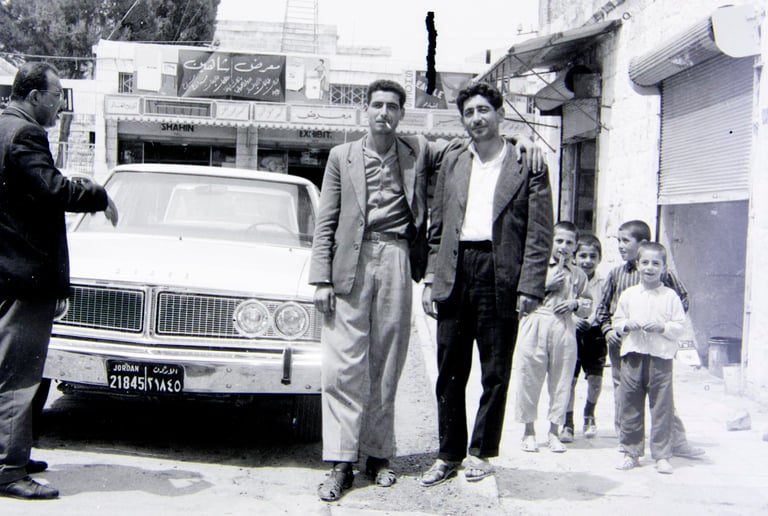
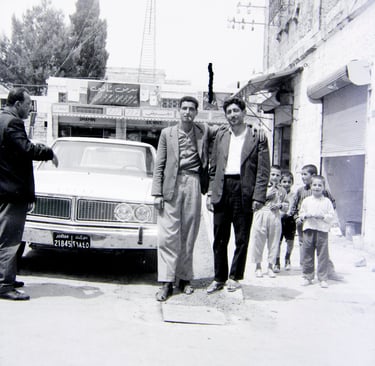
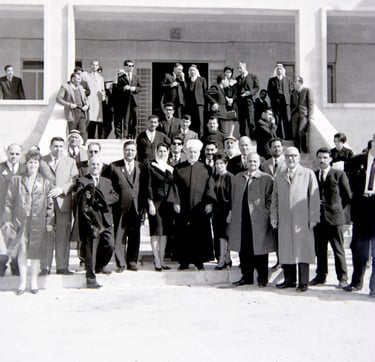
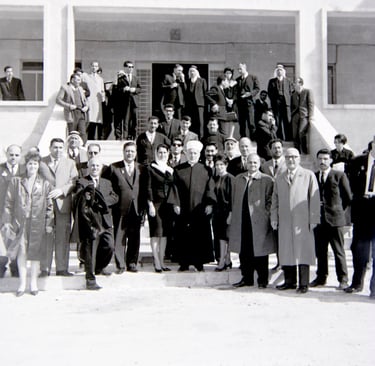
A core dimension of my archival practice has involved the active rescue of archives facing imminent loss. Central to this work is the Rawhi Abu Hammad photographic archive in Hebron, a studio archive comprising more than 200,000 images. The collection documents everyday life in the city across several decades, spanning major political and social transformations and offering a rare visual history of Hebron from within.
Since 2021, I have been directly engaged in safeguarding this archive and developing its long-term future. The work remains ongoing, shaped by the scale of the collection and the conditions under which it exists. Beyond preservation, the archive holds historical significance as a continuous record of a city whose social fabric has been repeatedly disrupted, making its images essential to understanding local memory, identity, and lived history.
Working with Endangered Archives
Archive as a Site of the Wound
In my practice, the archive operates as a site where historical injury becomes legible. It carries the marks of violence not only in what it shows, but in what it cannot fully reveal. The broken sequence of images, the repetition of certain gestures, and the disappearance of others reflect a lived condition shaped by control, surveillance, and loss.
Rather than seeking to repair the archive into a coherent narrative, my work stays with its vulnerability. The archive is approached as a wound that remains open, one that resists closure and demands careful reading. Through this approach, archival material becomes a means to understand how memory survives under pressure, and how communities continue to inhabit history despite continuous disruption.