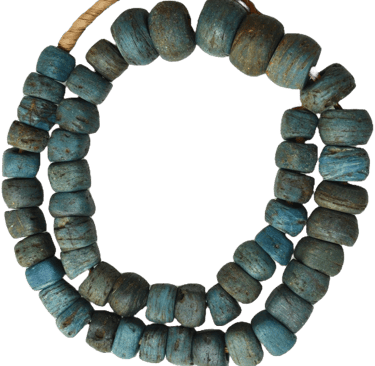
Hebron Beads: What the Glass Remembered
An open research on memory, material, and the forgotten glass trade that once connected Hebron to the world.
Overview
This open research explores the lost glass-bead industry of Hebron — a city once known for its luminous furnaces, where molten sand was turned into color, protection, and exchange. For centuries, Hebron beads traveled across the deserts and seas, circulating through trade routes that linked Palestine to Africa and beyond. Today, only fragments remain: shards, stories, and traces of a knowledge system that once defined a whole community of artisans.
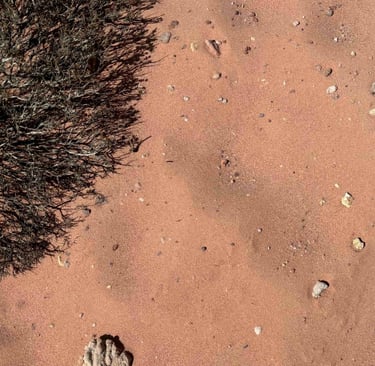
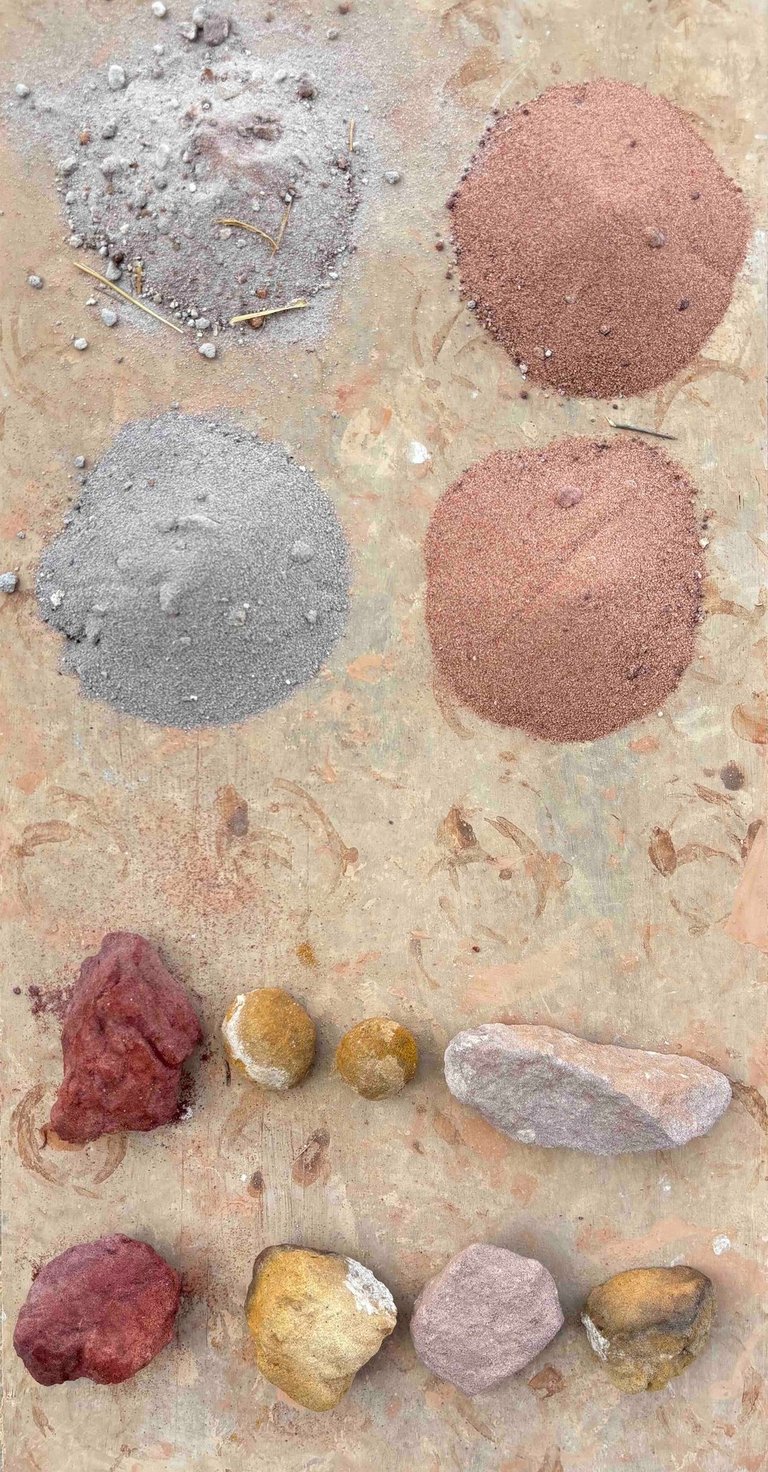
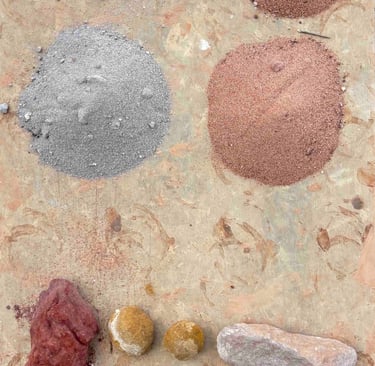
This research remains deliberately open, unfolding through fieldwork, experiments with glass composition, and the gathering of raw materials from the soil and ruins of Hebron. It has grown from the act of collecting fragments of glass, oral memories, traces of heat into a broader journey that seeks to reconnect material, place, and human touch. The next phase extends beyond Palestine: a planned field trip to parts of Africa aims to trace the forgotten routes through which Hebron beads once travelled, exchanged, and transformed. This journey is still in preparation, yet its possibility shapes the work as both pursuit and horizon. What is sought is not the recovery of a lost craft, but the reawakening of a relationship between making, remembering, and belonging.
Historical Context
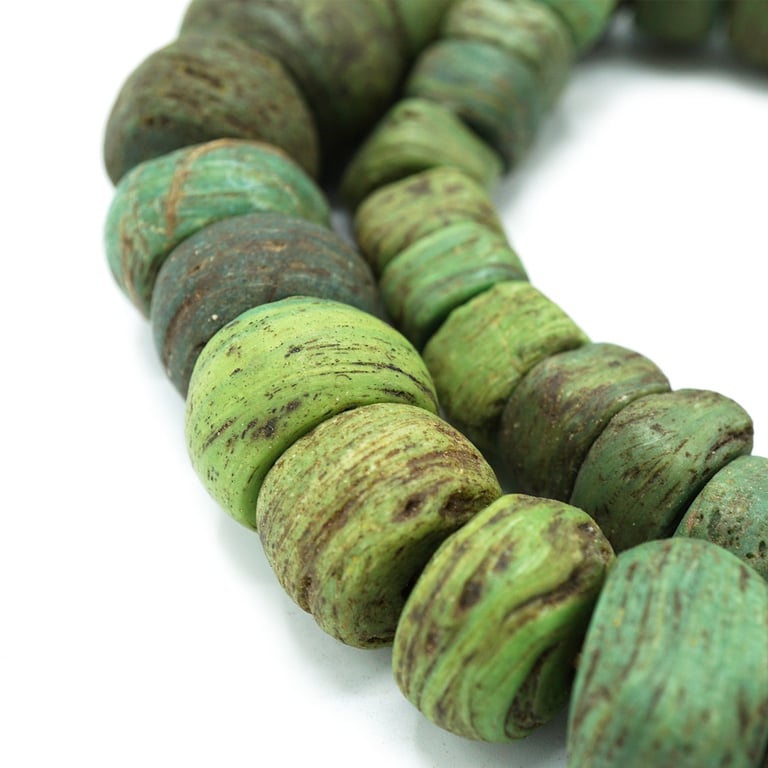
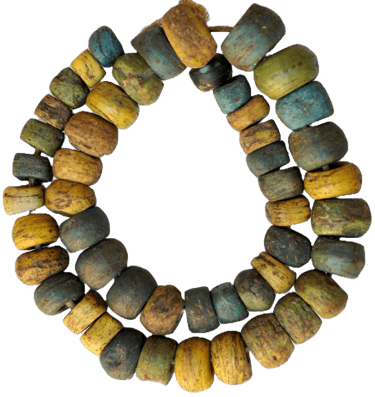
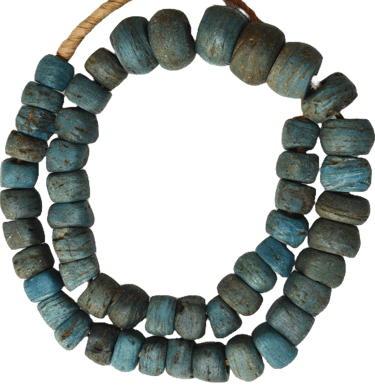
The making of glass in Hebron dates back to the Roman era, reaching its peak during the Ottoman and late nineteenth centuries when local workshops produced beads known as Hersh and Munjir. These beads, crafted from local sand and plant ash, were exported through Gaza and Egypt, and traded across the Sahel — where they became known as Kano beads.
They carried both economic and symbolic value: as ornaments, as amulets, as currencies. Through them, Hebron was connected to vast geographies of exchange — a network of light, fire, and memory.
Material and Technique
The craft relied on flame-work techniques, shaping glass around thin metal rods and cooling it in slow rhythms of breath and fire.
Knowledge passed quietly from father to son, guarded within families such as the Natsha and Jaqman, who sustained the city’s glass traditions for generations.
With the influx of cheaper European glass in the early twentieth century, the local workshops gradually disappeared, leaving behind only fragments and oral memories of a once-thriving art.
Cultural Significance
Beyond their material beauty, Hebron beads carried metaphysical resonance. The blue bead — the ‘ayn — was believed to ward off envy and misfortune.
In Africa, the same beads became a unit of trade, a form of language and memory.
Each color held a geography; each pattern, a story of migration.
The bead thus stood at the intersection of craft, belief, and economy — a small object through which entire worlds once met.
Contemporary Relevance
The project aims to reconstruct not only the physical process of making but also the systems of meaning embedded in this practice:
how materials speak of land, how fire records gesture, and how a disappearing technique can still teach us about resilience and belonging.
Through collaboration with local glassmakers, archival research, and experimental reconstruction, Hebron Beads seeks to reimagine a lost heritage as a living method of inquiry — one that moves between art, archaeology, and collective memory.
An Open Research
This research remains deliberately open. It unfolds through fieldwork, conversations with artisans, and attempts to re-create the forgotten recipe of Hebron glass.
What is sought is not a perfect replica, but a continuity — a way of keeping a dialogue alive between what was, what remains, and what may return.
As the project evolves, its findings will be shared through exhibitions, workshops, and written reflections, inviting others to join in the act of remembrance.